


In an age where the effects of climate change are accelerating, and local communities are increasingly facing environmental and economic challenges, sustainable agroforestry emerges as one of the most powerful solutions that merge environmental development, agricultural production, and biodiversity conservation.
At the heart of Qaroun Nature Reserve, this vision comes to life in a practical, scalable model. The reserve is planning to integrate agriculture with environmental management by adopting agroforestry as an effective approach to restore degraded lands, empower local communities, and strengthen the ecosystem’s resilience against climate shifts.
Why Agroforestry? Why Now?
– Sustainable agroforestry is not just an agricultural method, but a holistic lifestyle and development approach. It combines fruit or forest tree cultivation with crops and grazing within a single productive system — one that restores the balance between humans and nature.
– It’s a globally recognized model, aligned with the UN Sustainable Development Goals (SDGs), and endorsed by both the UN Convention to Combat Desertification (UNCCD) and the Convention on Biological Diversity (CBD).
How Does Agroforestry Support Qaroun Protected Area?
-
Restores degraded land affected by erosion, salinity, and desertification
-
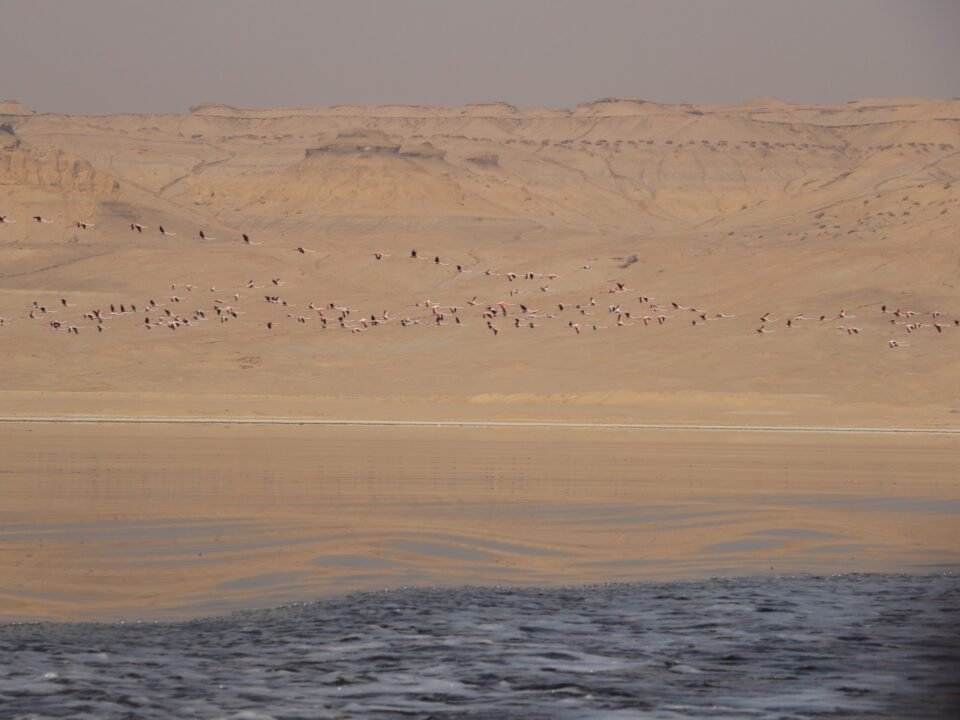
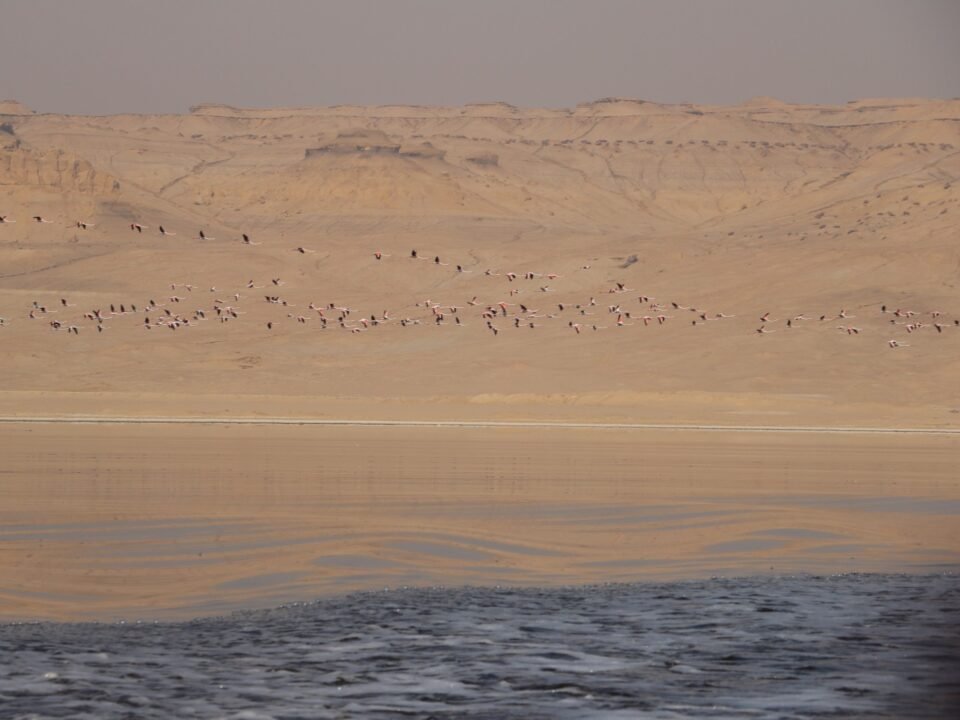
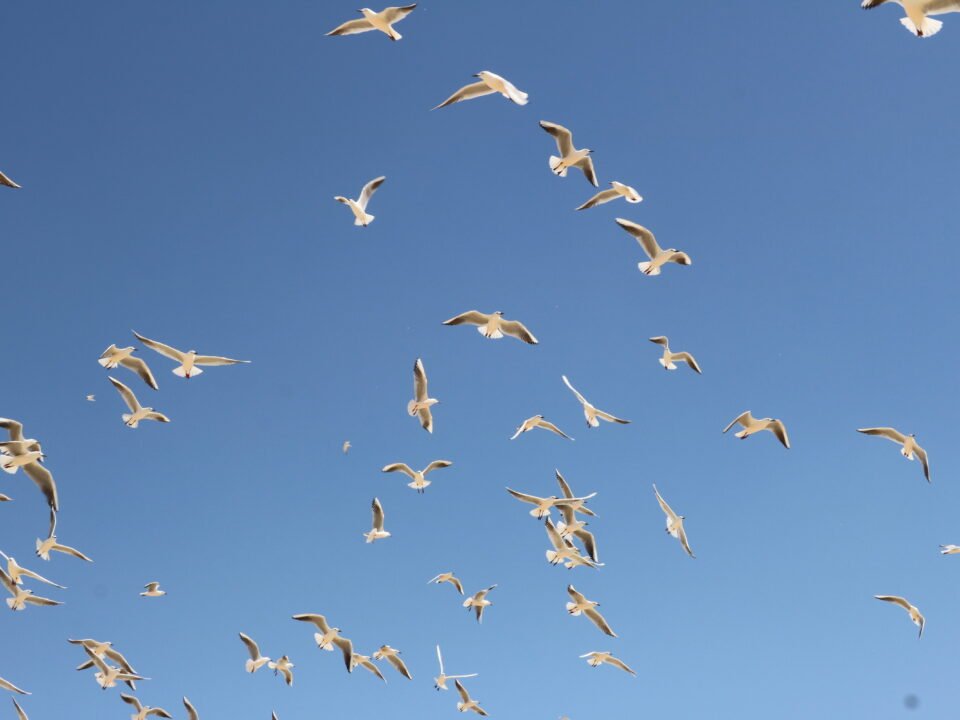
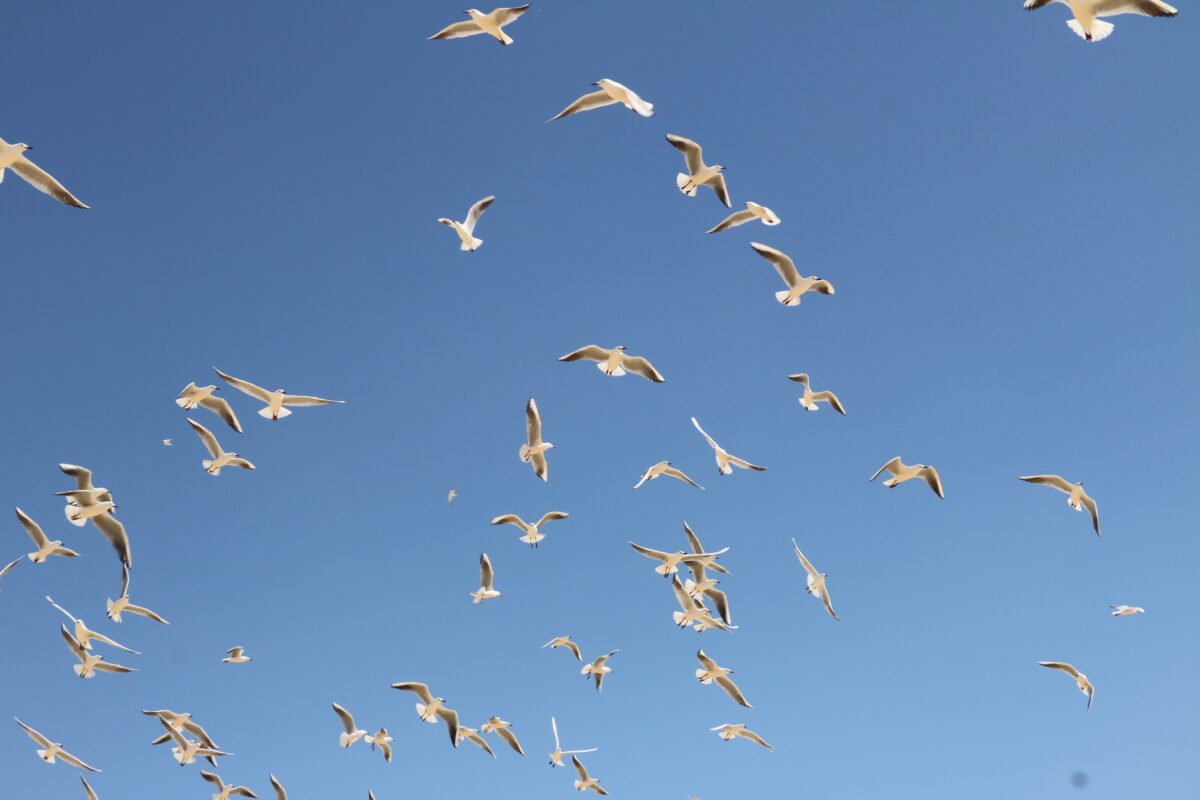
Expands natural vegetation cover, offering safe habitats for both migratory and resident birds
-
Enriches agricultural output in designated zones and boosts local income through diverse, sustainable crops
-
Reduces reliance on chemical fertilizers through a balanced and self-sustaining ecosystem
What Can You Do? And How Can You Help Us Spread the Idea?
Leading Initiatives in Progress:
– Promoting drought-resistant native trees like Acacia, Moringa, and Jojoba
– Integrating complementary crops such as lentils, legumes, and fenugreek to naturally enrich soil fertility
– Using green windbreaks to protect the soil and reduce water evaporation
– Innovating in greywater reuse systems for efficient irrigation without waste
🌍 Environmental and Social Impact:
-
Reduced carbon emissions and increased soil carbon sequestration
-
Improved air, water, and soil quality
-
Enhanced reproduction of rare and endangered bird species
-
Reliable income sources for local communities through timber, honey, and animal fodder
Who’s Making This Work Today — and Who Can Join Tomorrow?
The success of this model in Qaroun has been built on strong partnerships, including:
-
Local NGOs active in environmental protection, such as Bader for Sustainable Development and Environment Without Borders
-
Young volunteers and pioneering eco-farmers
-
Egyptian universities and research centers providing vital studies and practical insights
Today, we call on government agencies, international organizations, private sector actors, and civil society to support and scale this model — transforming it into a national reference for sustainable agriculture.
Agroforestry is not a luxury — it’s a developmental, economic, and climate imperative.
Let’s grow a greener future.
Let’s build together a local green economy that protects both people and planet.