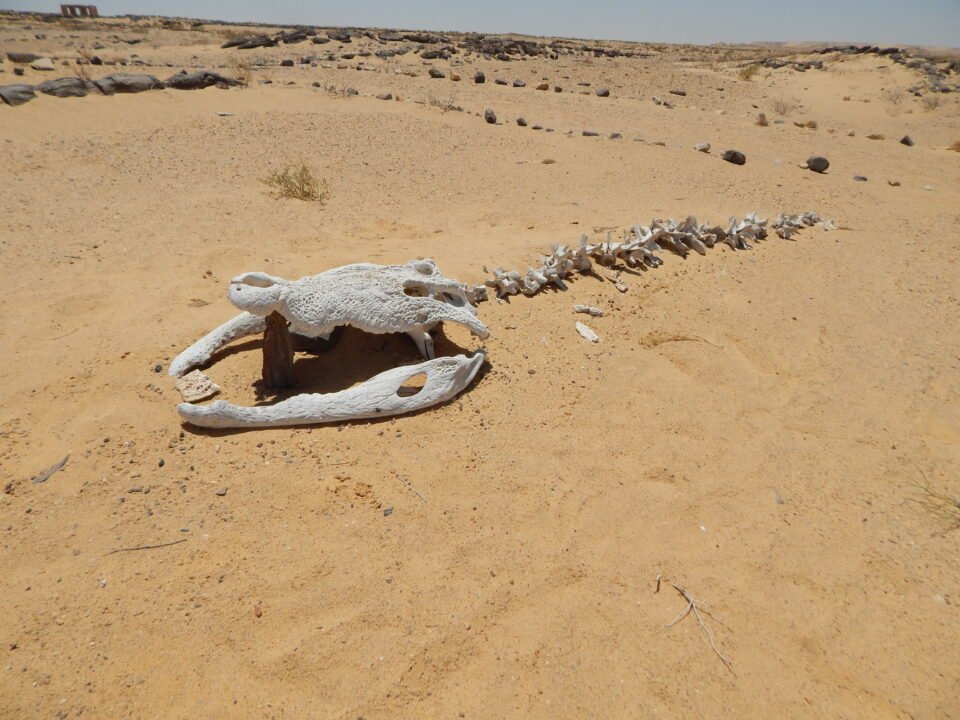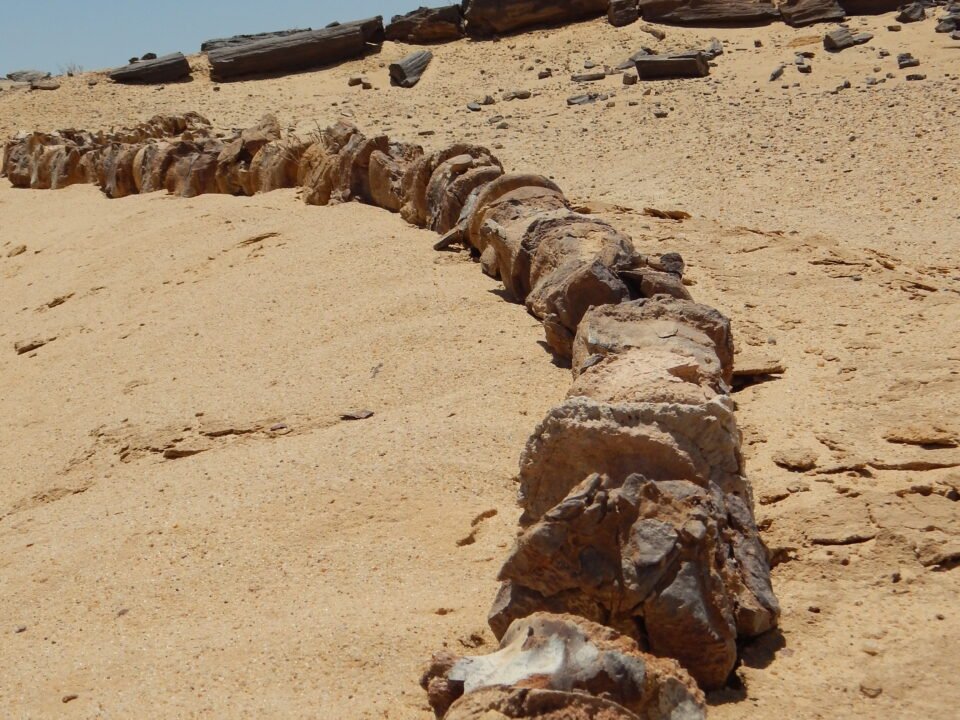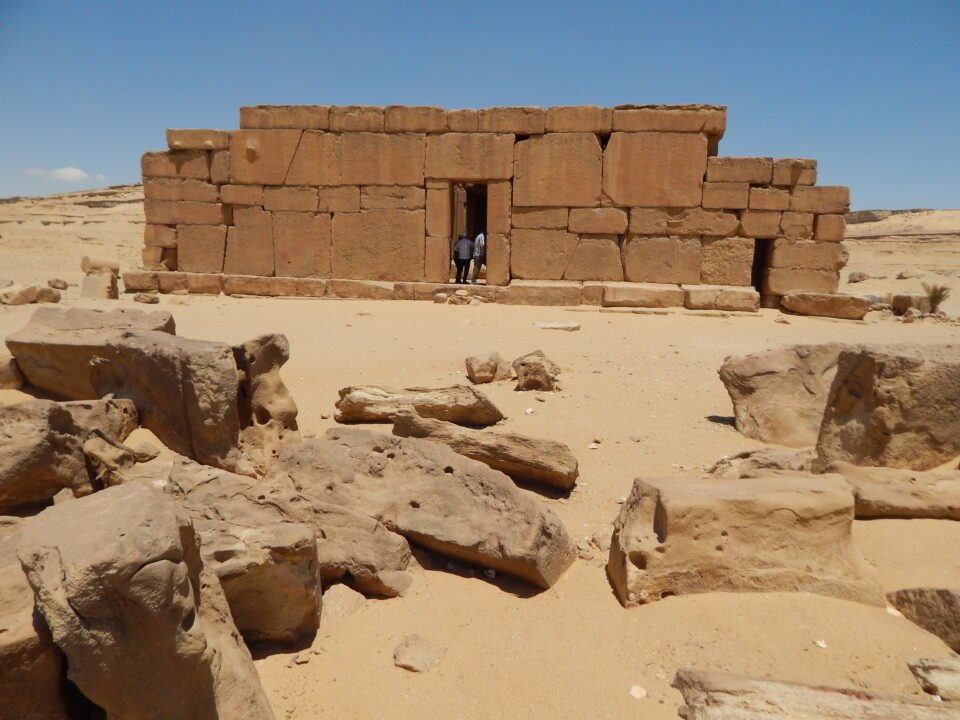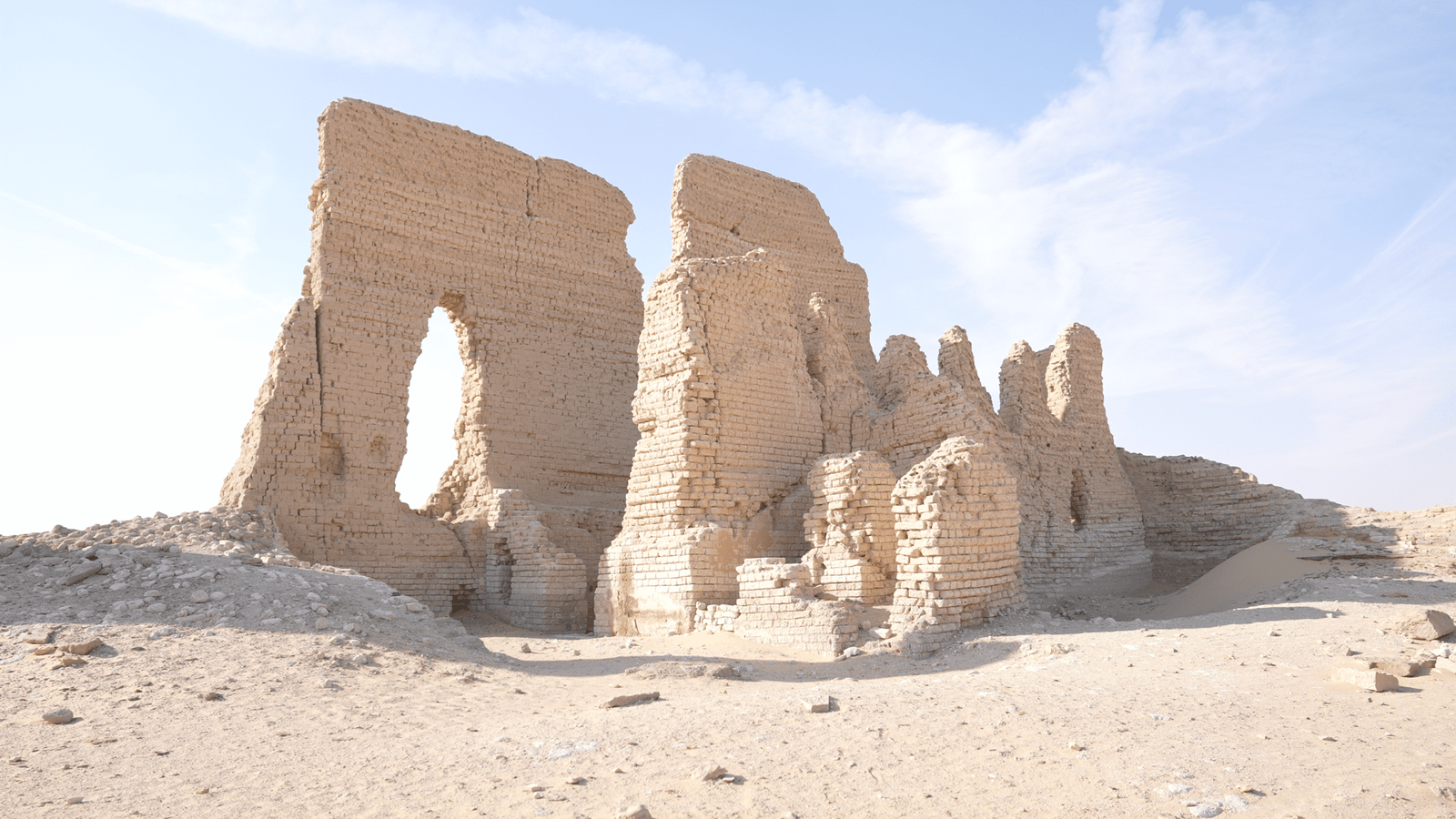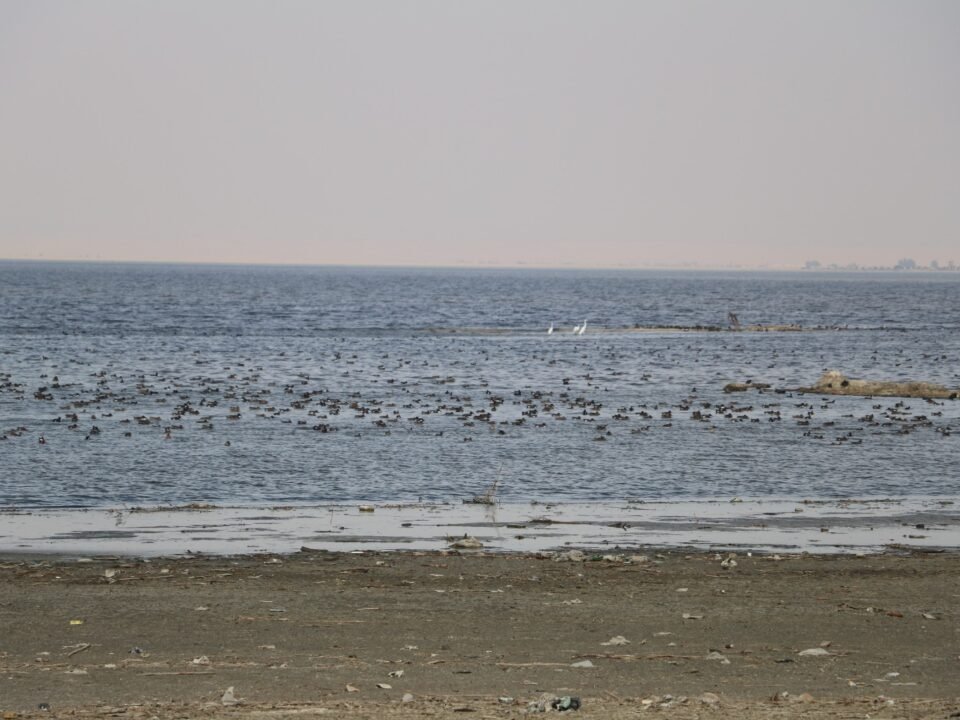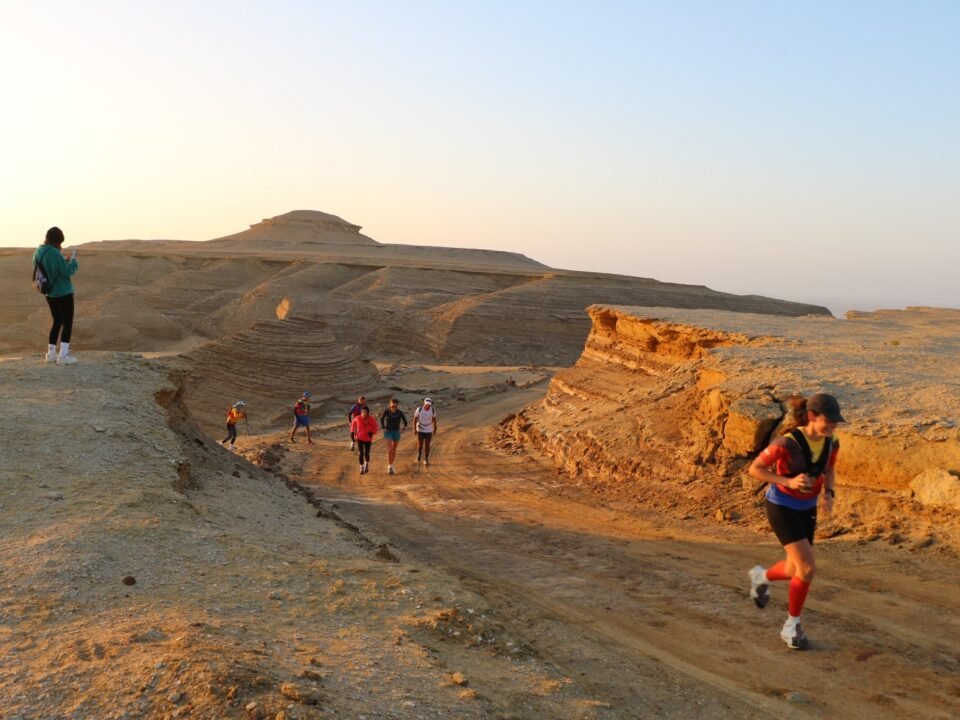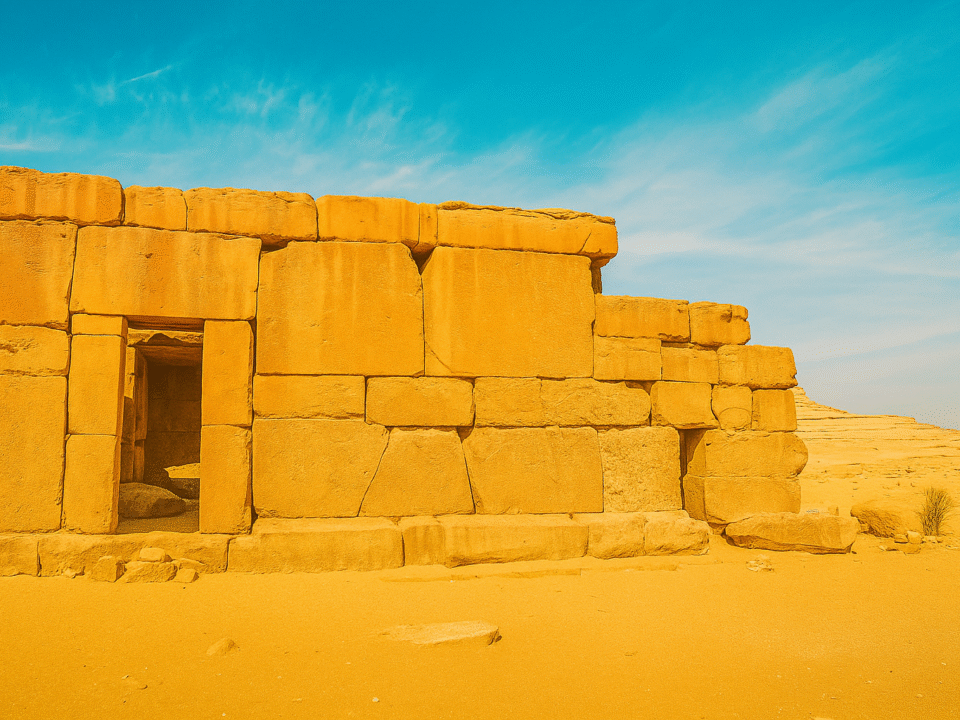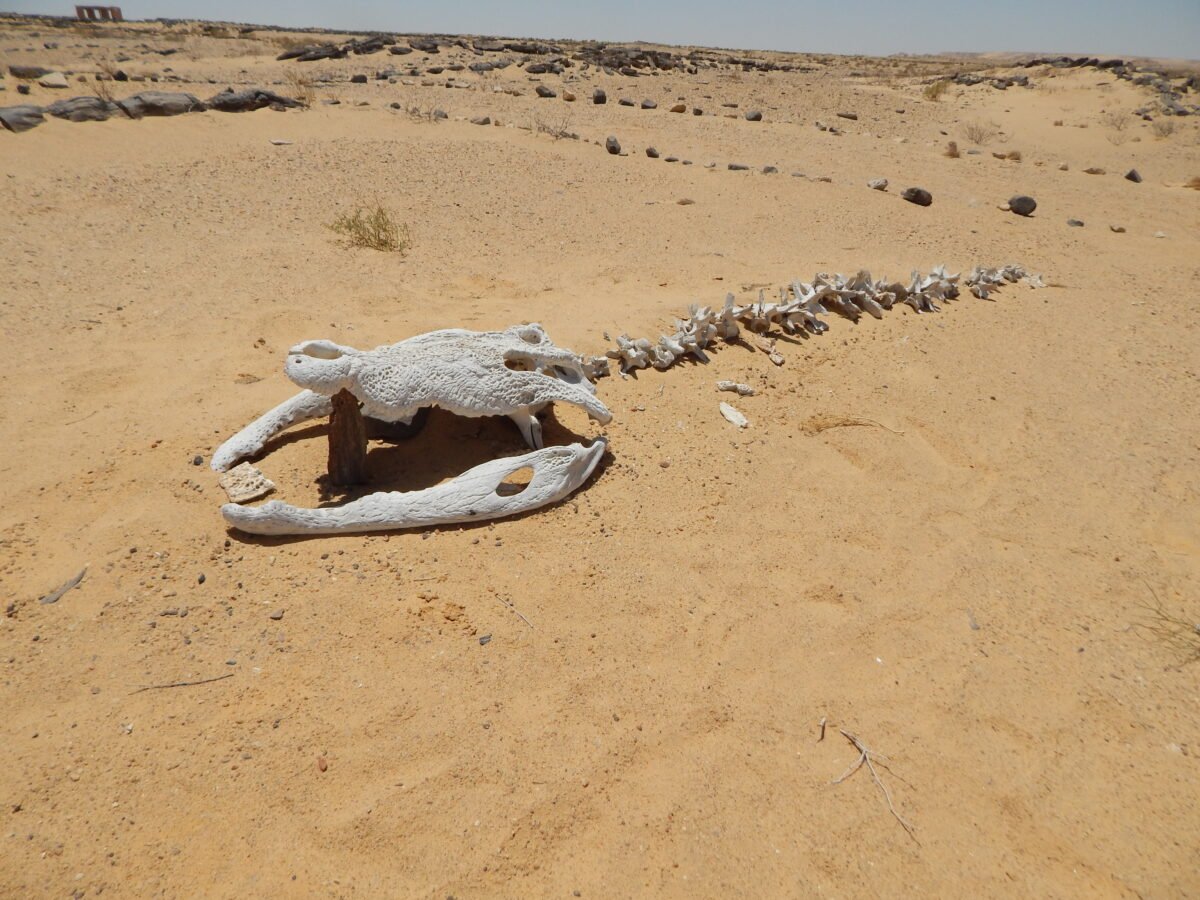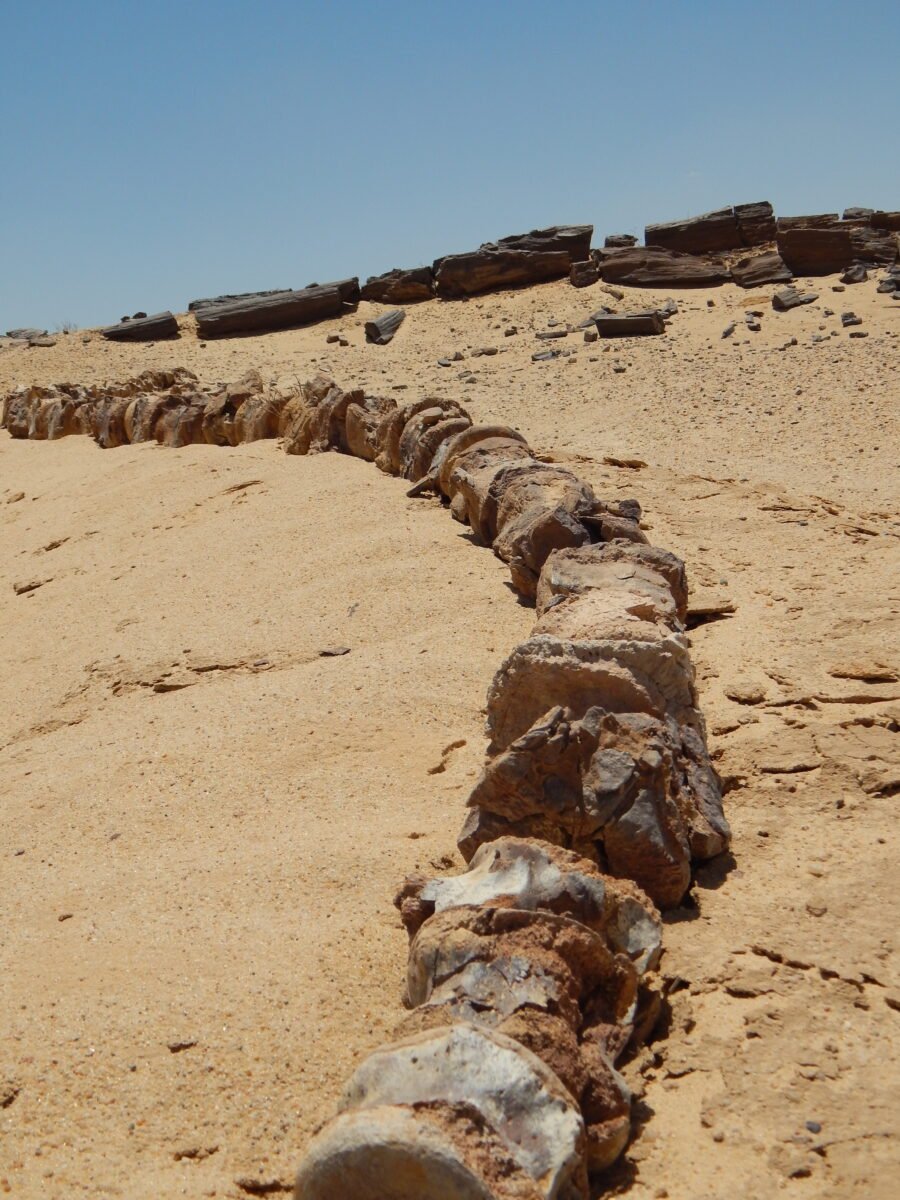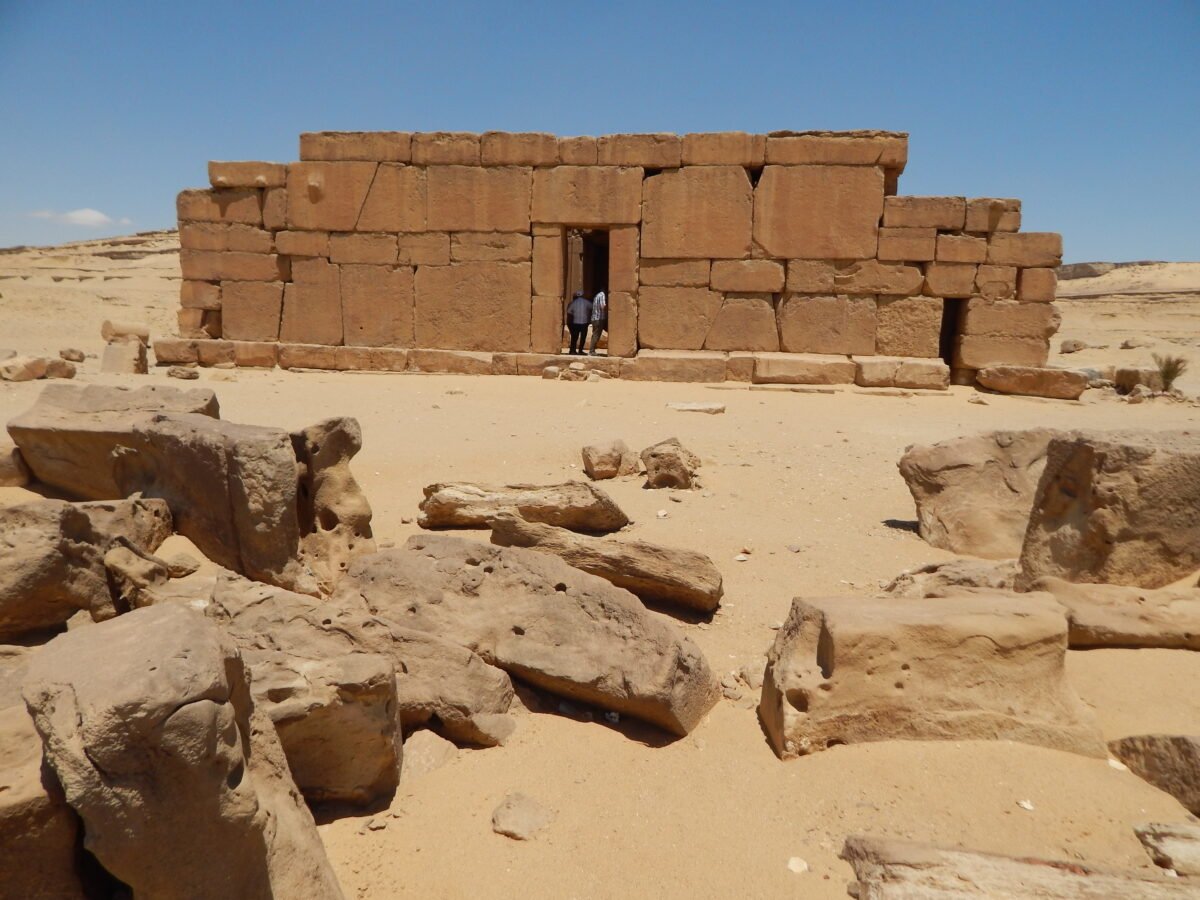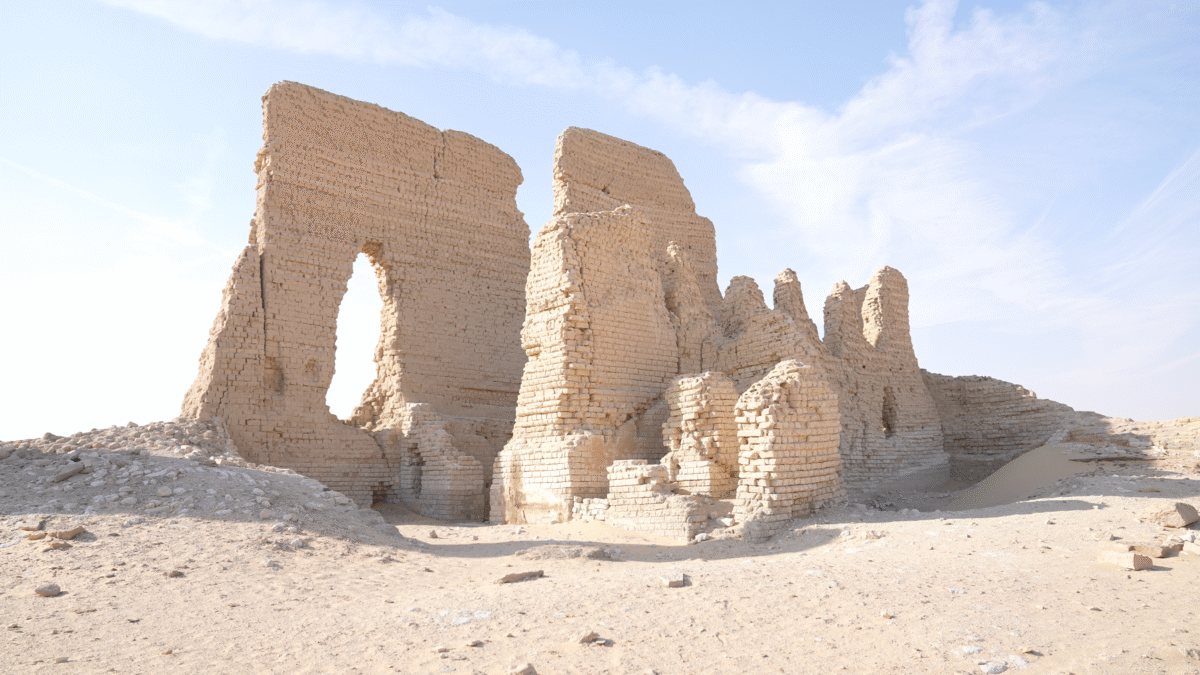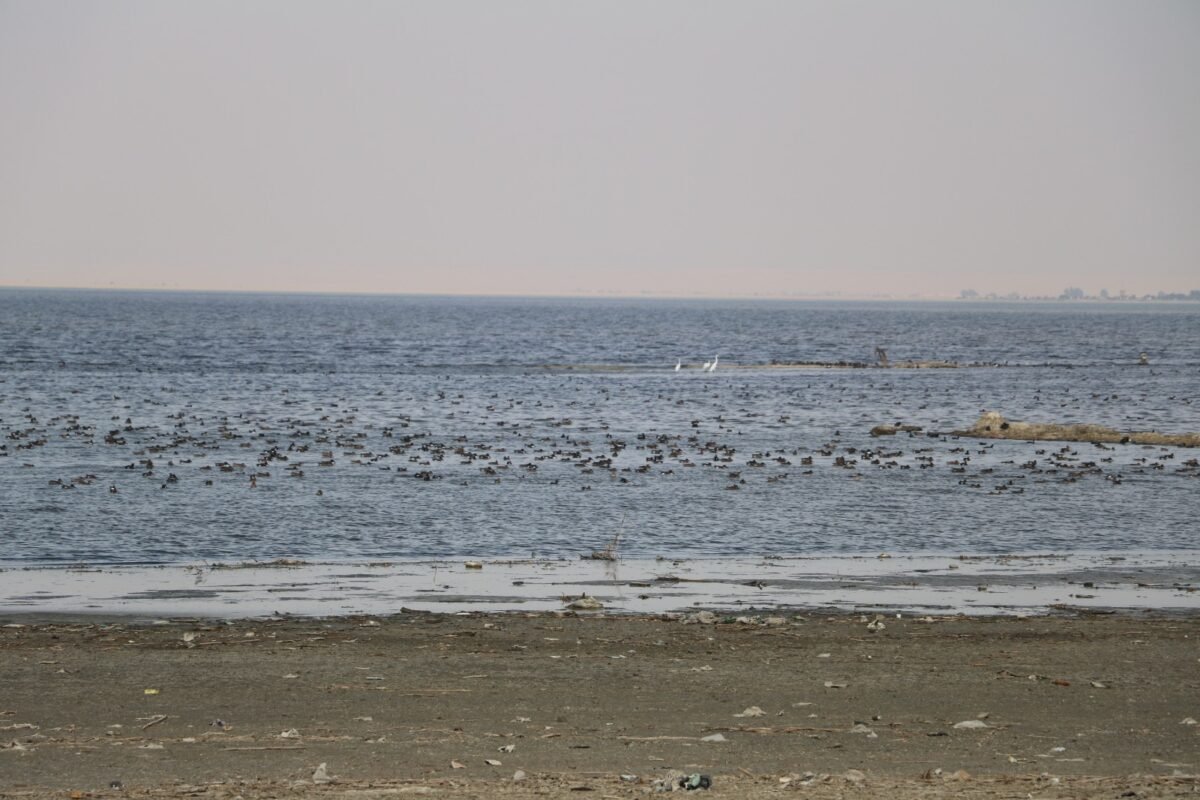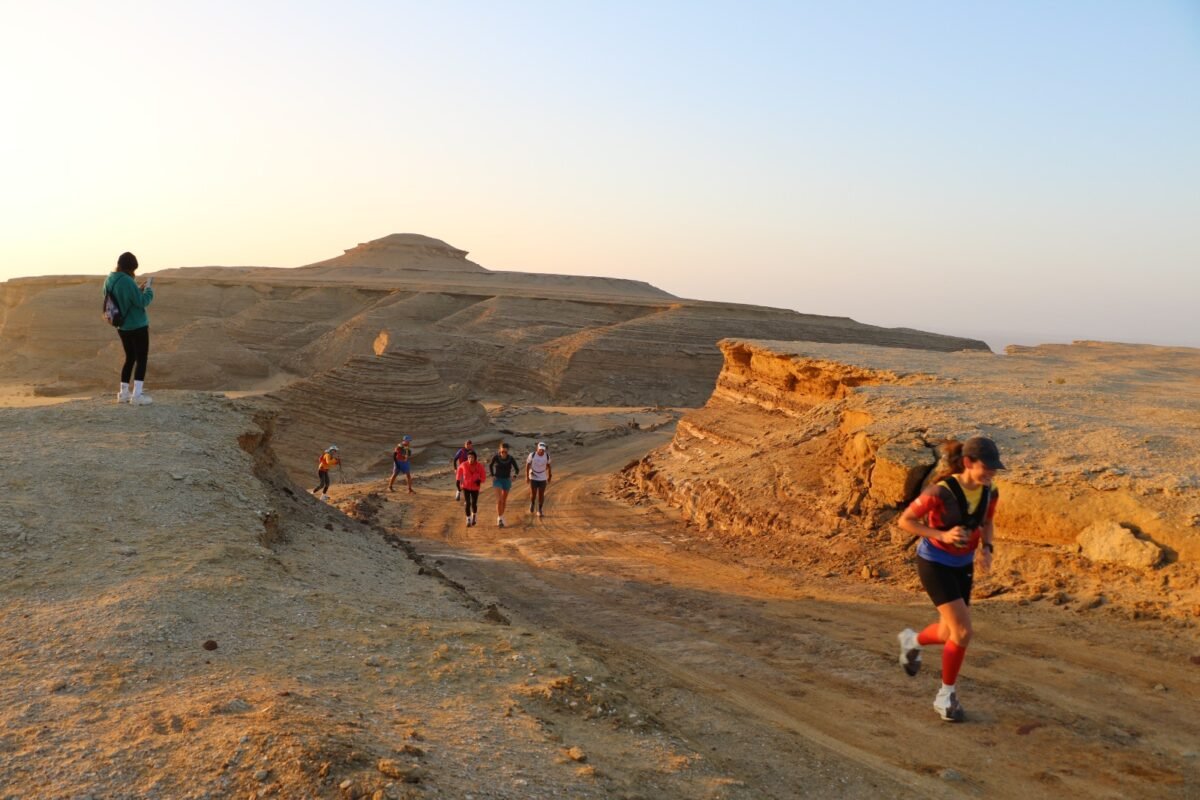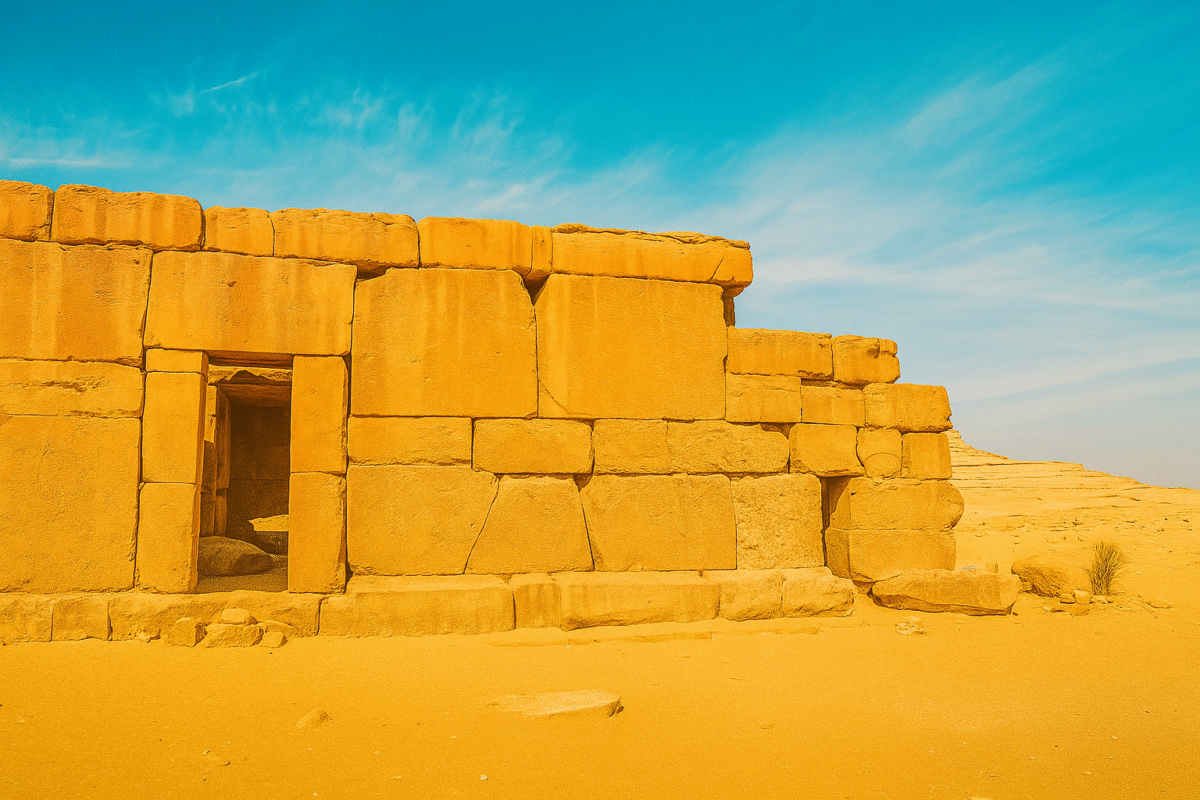



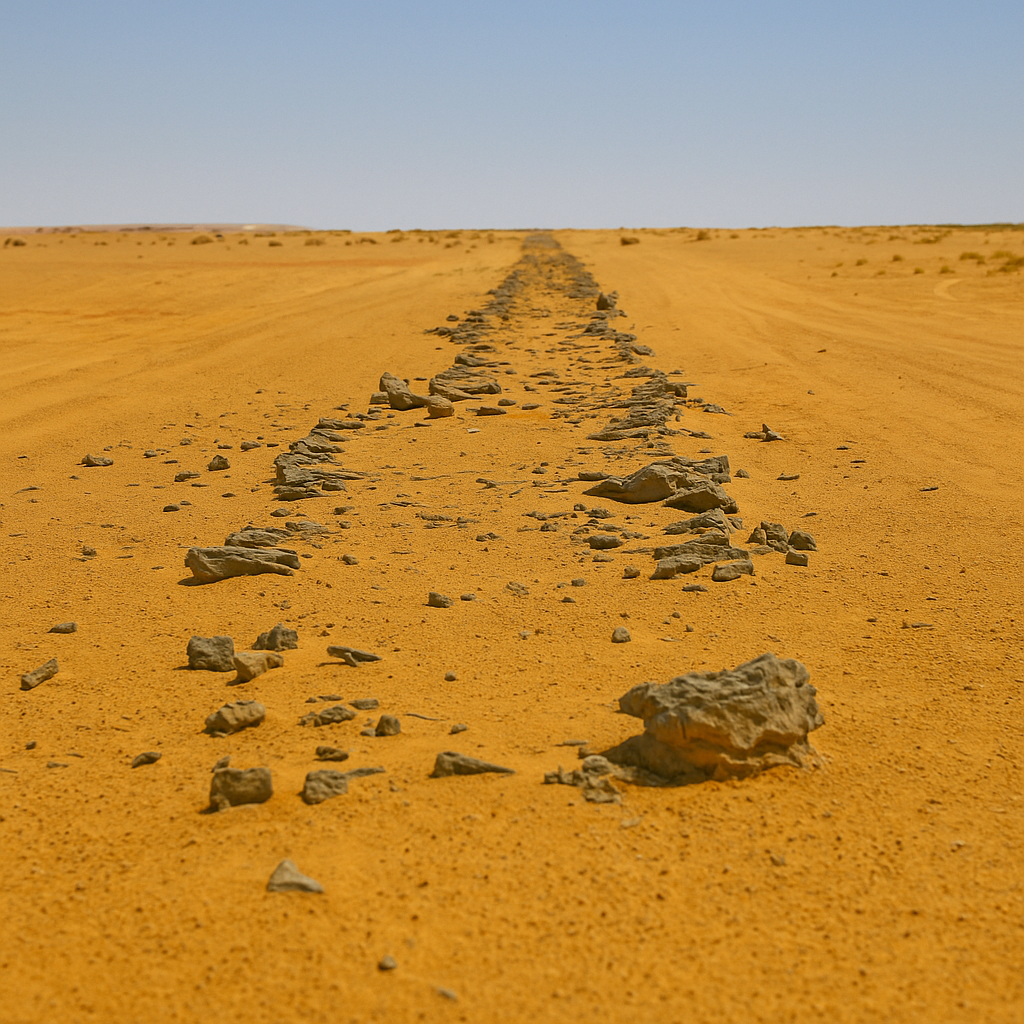
In the heart of Gabal Qatrani, within the Qaroun Nature Reserve in Fayoum Governorate—specifically north of Lake Qaroun—lies the “Basalt Road.” This stunning engineering achievement is considered the oldest paved road in the world, dating back nearly 4,500 years to the time of ancient Egypt, or perhaps even earlier. The road was first discovered in 1905 by geologist Hugh Beadnell, revealing an unprecedented level of engineering mastery for its time.
The Basalt Road is made of massive black basalt stones, carefully laid and precisely aligned with remarkable craftsmanship. Its primary purpose was to facilitate the transport of these enormous basalt blocks from the quarries in Gabal Qatrani to a loading dock on the shores of Lake Qaroun. From there, the stones were shipped by boats to their destinations—most likely to be used in the construction of temples, tombs, and massive architectural projects around the pyramids, a lasting testament to the greatness of ancient Egyptian civilization.
A Testament to Genius Design and Cultural Impact
This road is a living testimony to the meticulous planning and extraordinary engineering capabilities of the ancient Egyptians. Its construction demanded tremendous effort from workers who quarried, transported, and installed the enormous stones, highlighting the remarkable development of engineering and organizational skills in that era.