

Soknopaiou Nesos – The Legend of the City of Lions in the Heart of the Egyptian Desert (Cultural Heritage)
An ancient Greco-Roman-Coptic city that endured through generations, once serving as a semi-island for both land and maritime trade between regions.
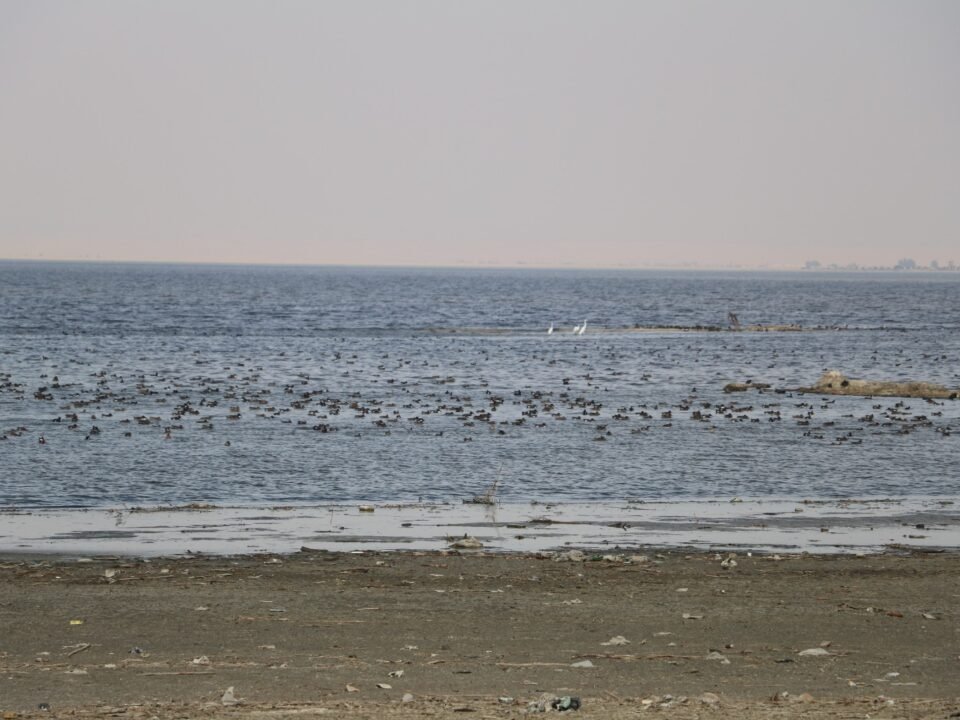
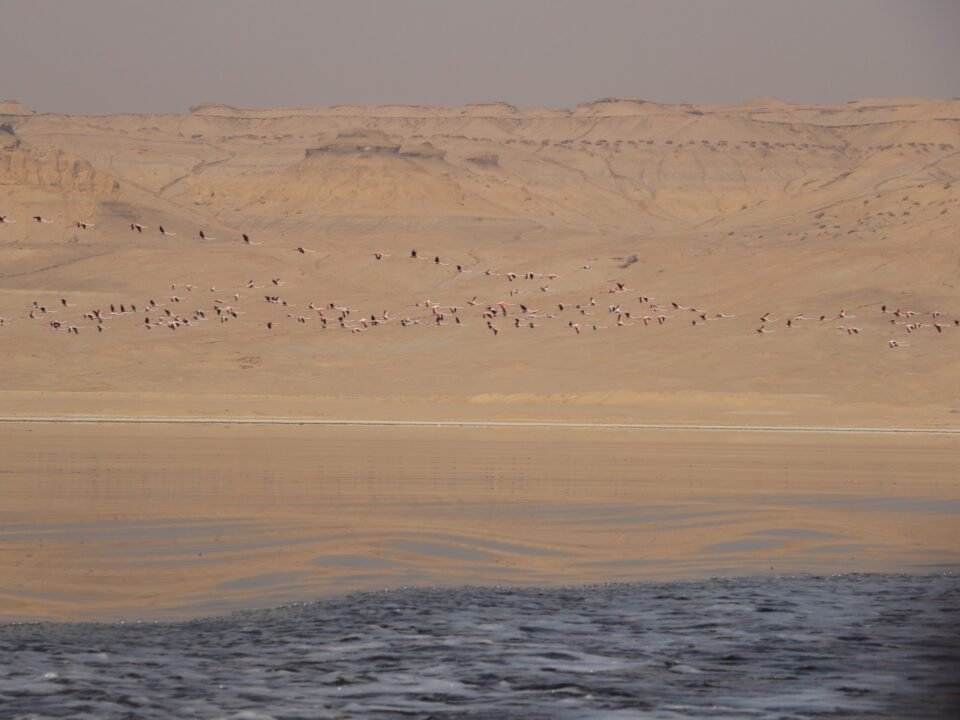
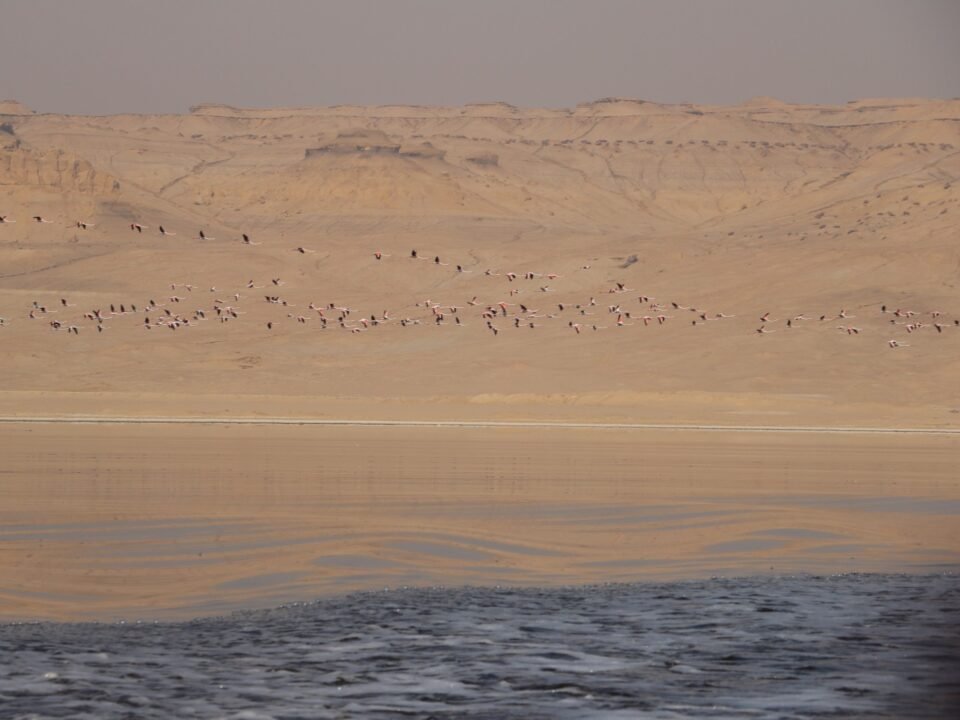
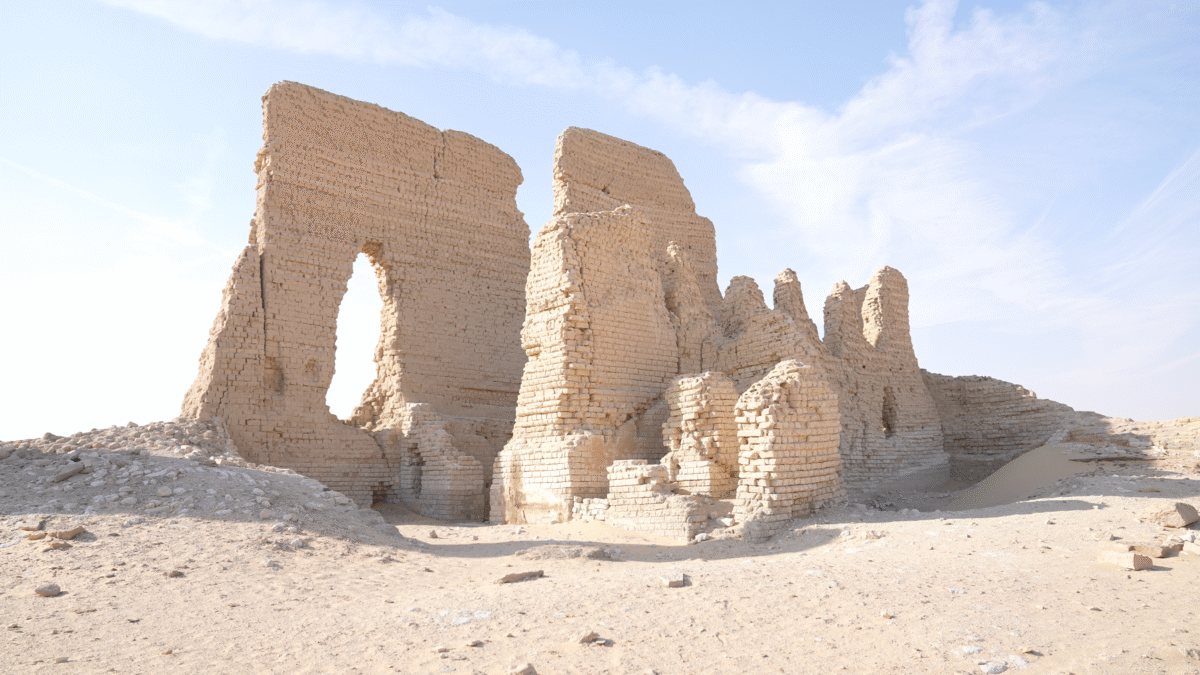
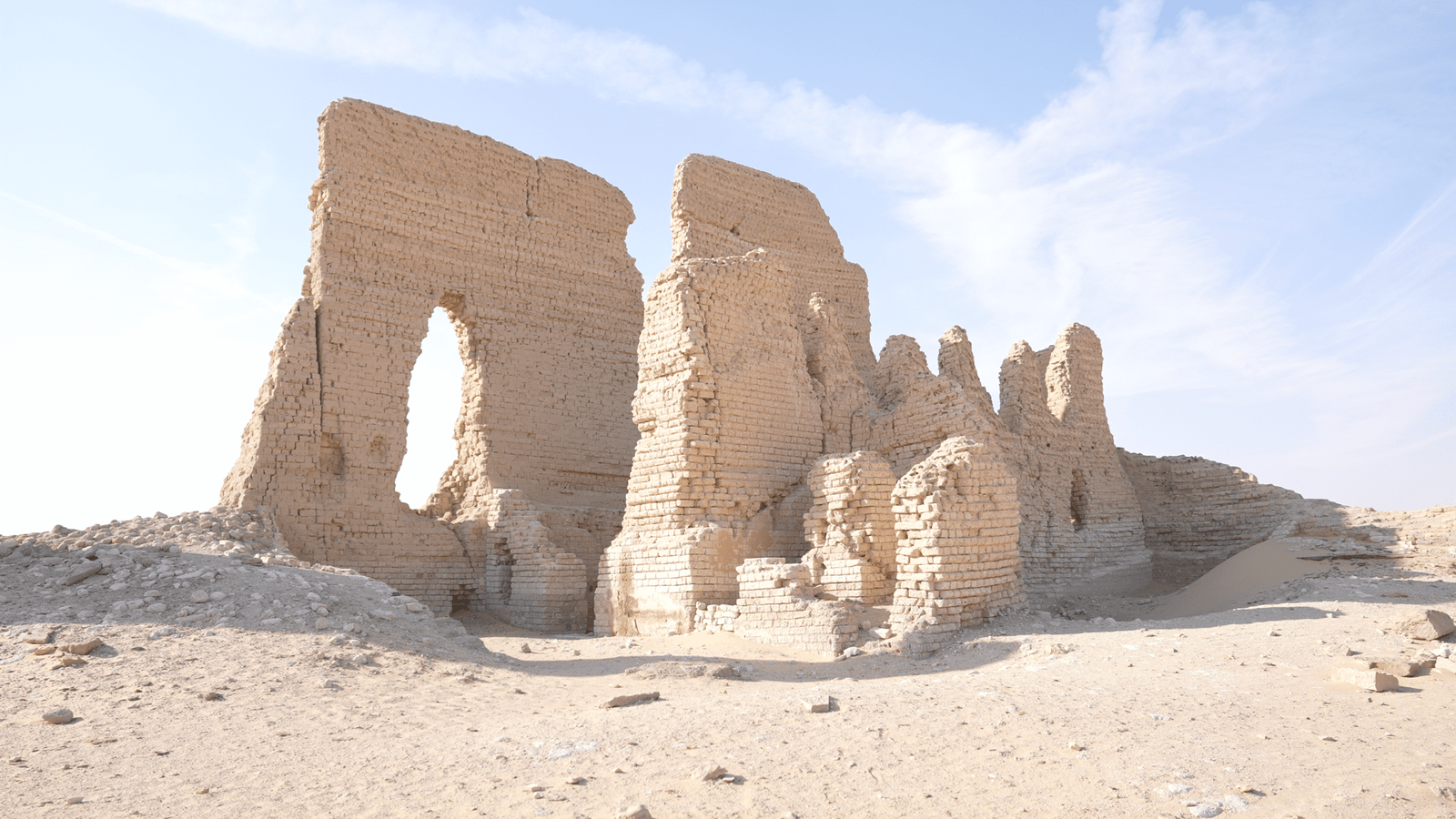
On the edge of Lake Qarun, atop a windswept hill scattered with sunbaked mudbrick ruins, lie the remains of a city that whispers the tales of successive civilizations… This is Soknopaiou Nesos, a settlement that blended the elegance of Greece, the authority of Rome, and the spirit of the Copts, thriving for nearly a thousand years.
Founded in the 3rd century BCE as part of the early Ptolemaic land reclamation project in the Fayoum, the city flourished as an inland port and a hub for both land and maritime trade. It linked desert caravans bound for the Western Oases with the lake’s ports in a vibrant economic network that pulsed with life more than 2,000 years ago.
Although the city declined and was abandoned by the mid-3rd century CE, clear archaeological evidence points to renewed activity, particularly around its main temple, during the 4th and 5th centuries CE—possibly continuing into the early Islamic period—showing its enduring spiritual and commercial appeal.
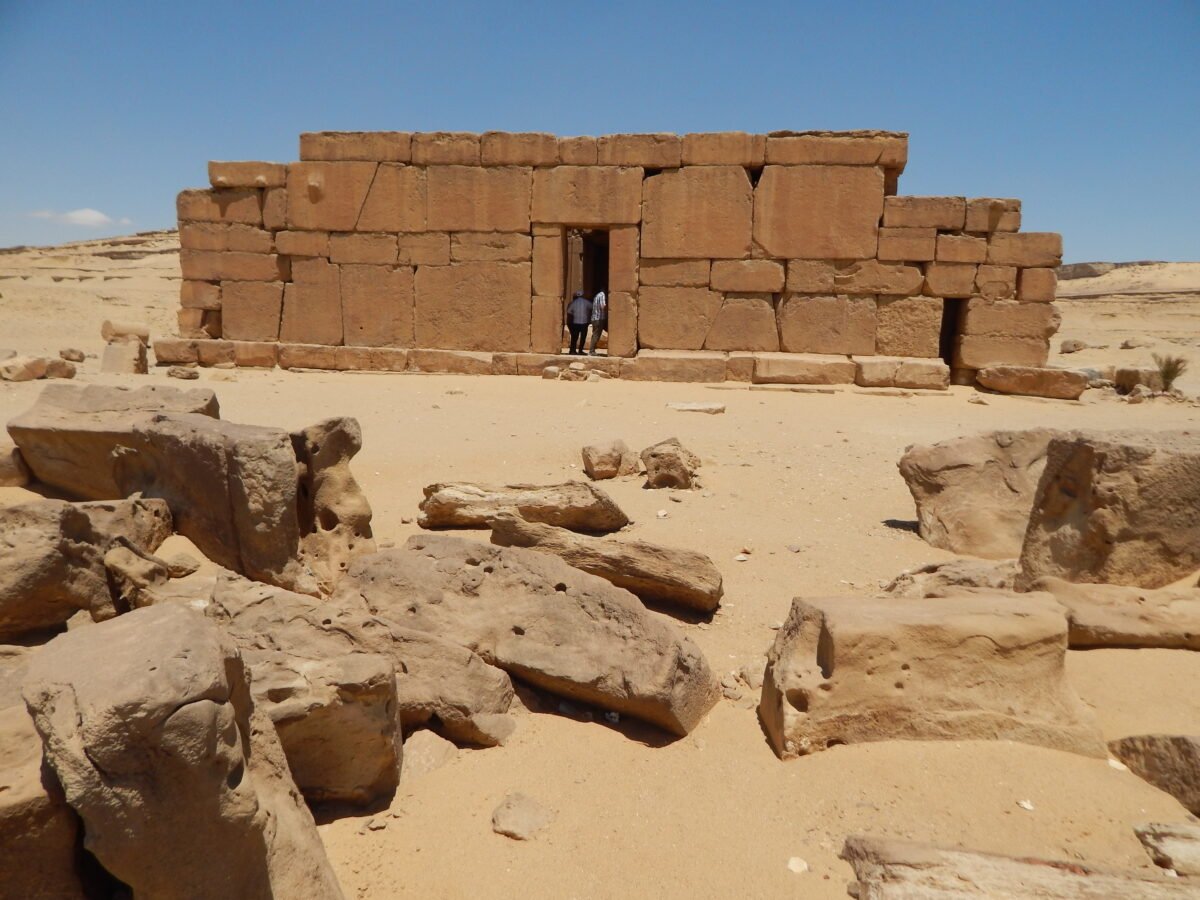
Soknopaiou Nesos spans roughly 660 meters from north to south and 350 meters from east to west, with a distinctive stone-paved main street stretching 400 meters long and 6.5 meters wide, a striking example of Greco-Roman urban planning. Built from locally sourced materials such as mudbrick, the city stands as a testament to the ingenuity of ancient Egyptian construction methods.
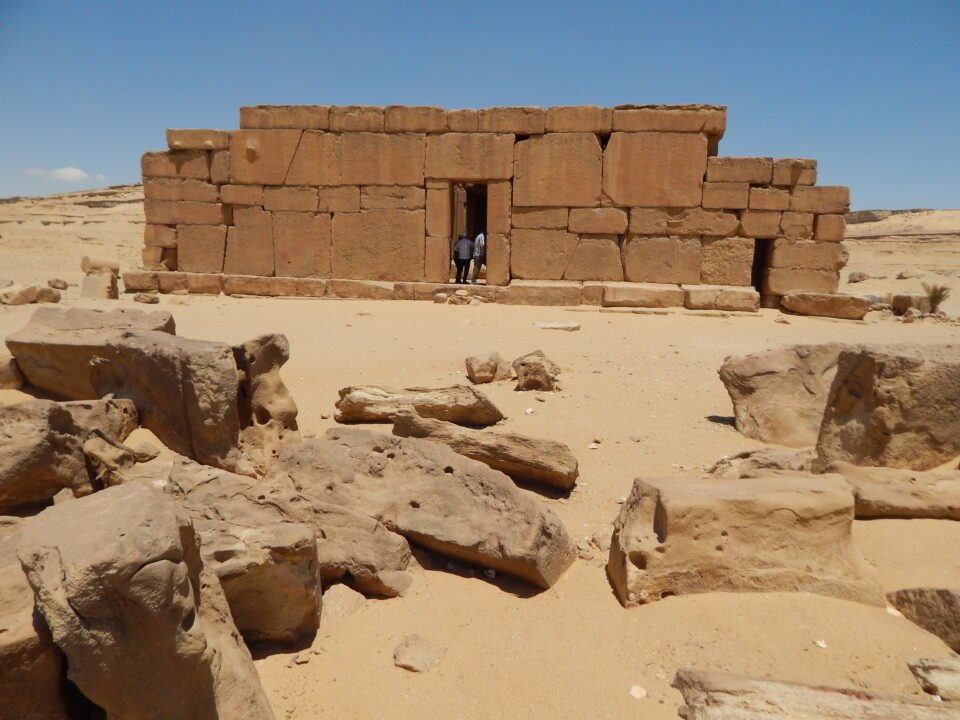
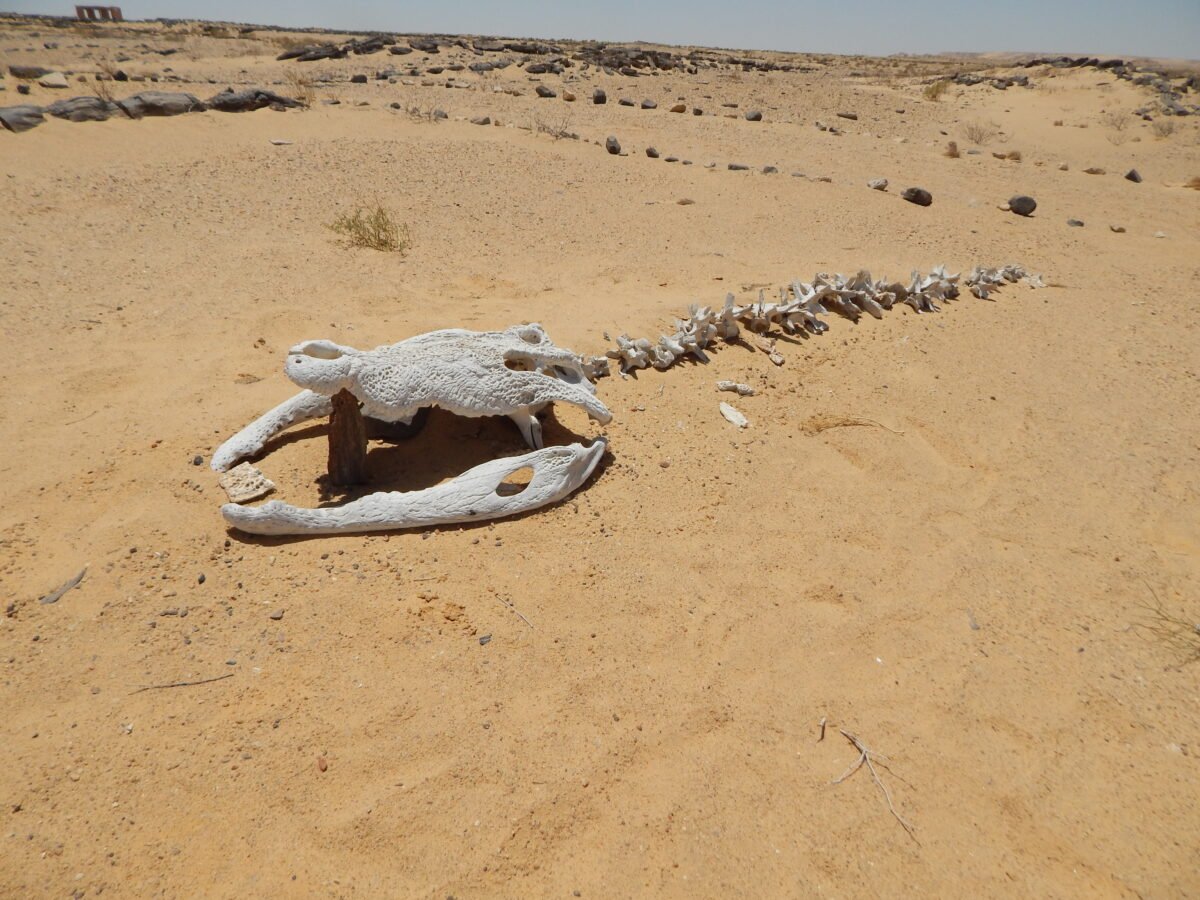
To the north rises the remains of a massive Ptolemaic temple dedicated to a powerful manifestation of the crocodile god Sobek, here worshipped in a majestic form: a crocodile with the head of a falcon, known as Soknopaios, from which the city’s ancient name was derived. Beside him stood the goddess Isis, and guarding the temple entrance were two rows of imposing lion statues. These lions would give the city its later name—Dimeh El Sebaa, “the City of Lions.”
Today, the lions no longer keep watch, but the city still proudly tells its story—a tale of centuries where civilizations met, religions intertwined, and the desert embraced a thriving center of trade and worship. Dimeh El Sebaa remains one of Fayoum’s archaeological gems, a forgotten treasure of Egypt’s rich heritage.