



Mangroves – The Plant that Tames the Sea’s Salinity – (Natural Heritage)
In the depths of geological time, when the ancient Tethys Sea advanced toward the lands of Fayoum—specifically the Gebel Qatrani area—a rare meeting took place between the salty waters of the Tethys and the fresh waters of rivers flowing from the northeast. From this encounter emerged a unique, rich habitat, perfectly suited for the growth of one of the world’s most remarkable coastal plants: the mangrove. This is the only plant capable of thriving in highly saline conditions, even desalinating water within its own tissues to survive along the delicate boundary between land and sea.
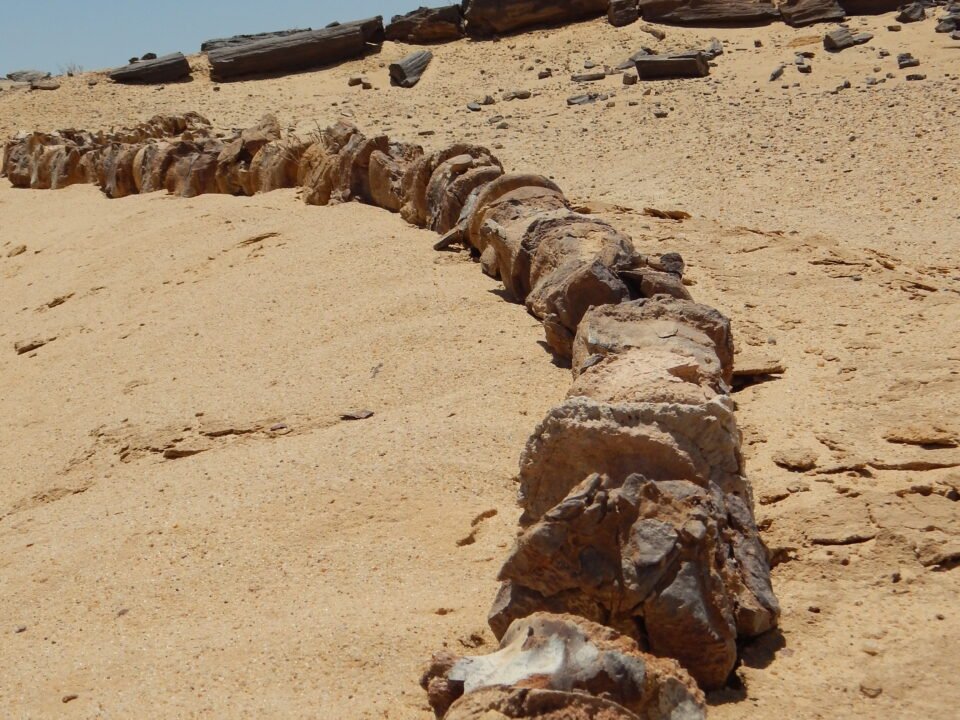
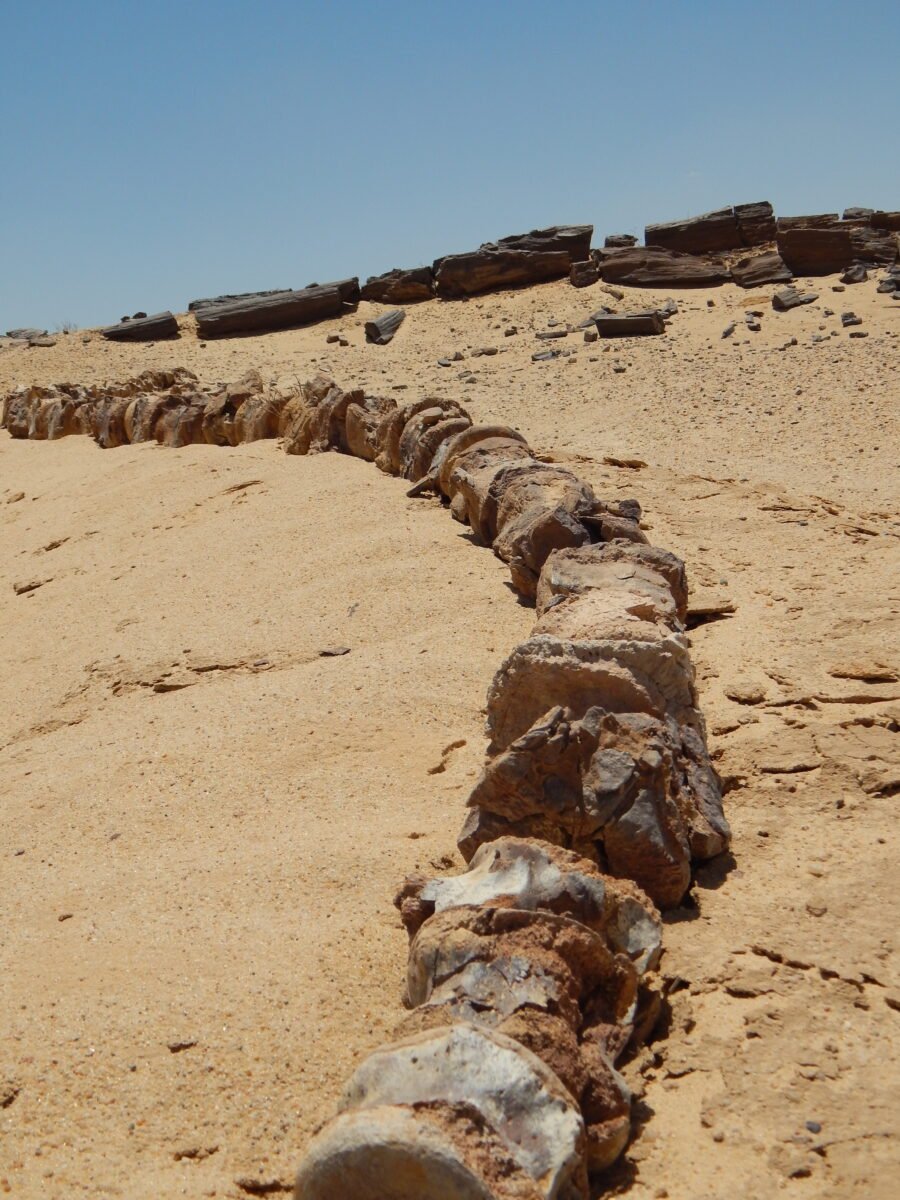
Today, what remains of that ancient ecosystem are fossilized traces and petrified roots of mangrove plants, preserved within ancient river deposits. They stand as silent witnesses to a time when this land was a living, vibrant shoreline—where nature seamlessly blended sea and river to create a habitat rarely seen on Earth.
These are not just fossils; they are messages from the past, telling us how life once flourished in harmony between water and land, and how a single plant mastered the art of survival in the face of salinity.